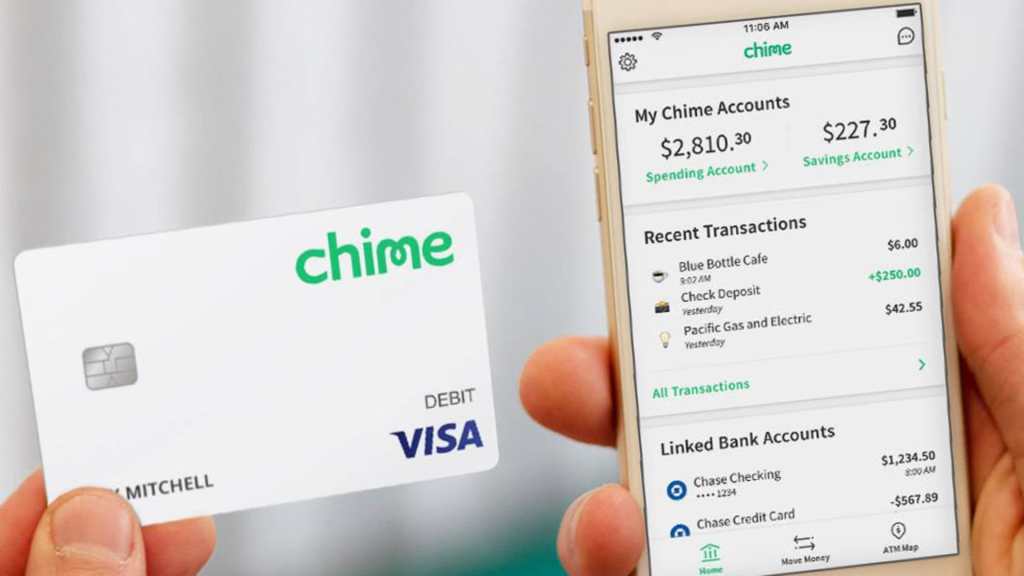
Join Chime and get $100. Terms apply
Is Chime a scam? Is Chime legit?
No — Chime is not a scam, but it’s not a traditional bank either, and there are things users should watch out for. I’ll explain what it is, how it works, where risks or complaints lie, and how to use it safely.
What is Chime?
- Chime is a financial technology (fintech) company, not a bank itself. Chime+2Business Insider+2
- It provides banking-like services (checking, savings, debit, etc.) via partnerships with regulated banks. Chime’s partner banks include The Bancorp Bank and Stride Bank, which are both FDIC-insured institutions. Chime+2NerdWallet+2
- Because of that partnership, deposits placed into Chime accounts are generally FDIC-insured (up to applicable limits, e.g. $250,000) through those partner banks. Chime+3NerdWallet+3Chime+3
- Chime offers features such as early access to direct deposit, no monthly fees, optional overdraft coverage (“SpotMe”), and a secured credit-builder card. Business Insider+2Forbes+2
So, in short: legitimate business model, regulated through its bank partners, with protections in place (FDIC insurance via partner banks) for depositors (within limits).
Why do people ask “Is Chime a scam?”
While Chime itself is not a scam, there are a number of common criticisms, complaints, and risks that lead some users to view it skeptically. Some things to be aware of:
| Issue | Explanation / Examples | What to Watch Out For |
|---|---|---|
| Account closures, frozen funds, or delayed access | Some users report that their Chime accounts were closed suddenly or access was restricted. In such cases, retrieving funds has sometimes been slow. Wikipedia+4Wikipedia+4Business Insider+4 | Always maintain alternative access to funds; monitor communications from Chime carefully; be cautious if Chime asks for additional verification or flags your account. |
| Regulatory / consumer complaints | In 2024, the U.S. Consumer Financial Protection Bureau (CFPB) fined Chime $3.25 million for failing to issue refunds timely in many cases. Consumer Financial Protection Bureau+1 | This shows that even legit fintechs can have compliance or operational issues. |
| Misleading marketing / “calls itself a bank” | Because Chime markets many features like a bank, some regulators required Chime to clarify that they are not a bank, and to change marketing that implied otherwise. NerdWallet+3Wikipedia+3Chime+3 | When using or comparing accounts, always verify whether something is a “bank product” or a fintech service offering banking via partnerships. |
| Scams targeting Chime users | As with any popular financial service, scammers often impersonate Chime, ask for login codes, claim your account is in danger, etc. Chime warns customers of phishing, fake SIM swaps, or fraudulent contacts. Chime+2Chime+2 | Don’t share one-time verification codes, don’t click suspicious links, verify official communication channels. |
So the “scam” accusations tend to stem from user experiences (especially with account closures or delays) or third-party fraudsters pretending to be Chime.
Verdict: Legit but with caveats
Chime is a legitimate company, and deposits made through Chime are generally protected by FDIC insurance via its bank partners (within limits). It is not a scam in the usual sense of being a fraudulent entity.
However, it is riskier in some ways than a traditional bank (especially for users who rely exclusively on it) due to:
- Less direct recourse (no physical branches, more reliance on app / support)
- Possibility of account closures or delays
- Dependence on its handling of regulatory compliance and customer service
If you use Chime (or plan to), here are some safety tips:
- Don’t keep your entire life’s savings in one place — diversify.
- Regularly monitor your account for unauthorized transactions.
- Set up notifications / alerts so you see activity in real time.
- Save backup access — e.g. other bank accounts or cash reserves.
- Be alert to phishing / scam attempts — Chime will never ask for your full login via SMS or unsolicited email, etc.
- Document communications with support, and know your rights under regulation (e.g. for unauthorized transactions).
- If you ever decide to close your account, follow up to ensure any balance is refunded in a timely manner.
 Score More. Spend Less.
Leave a comment